



That depends directly on your application:
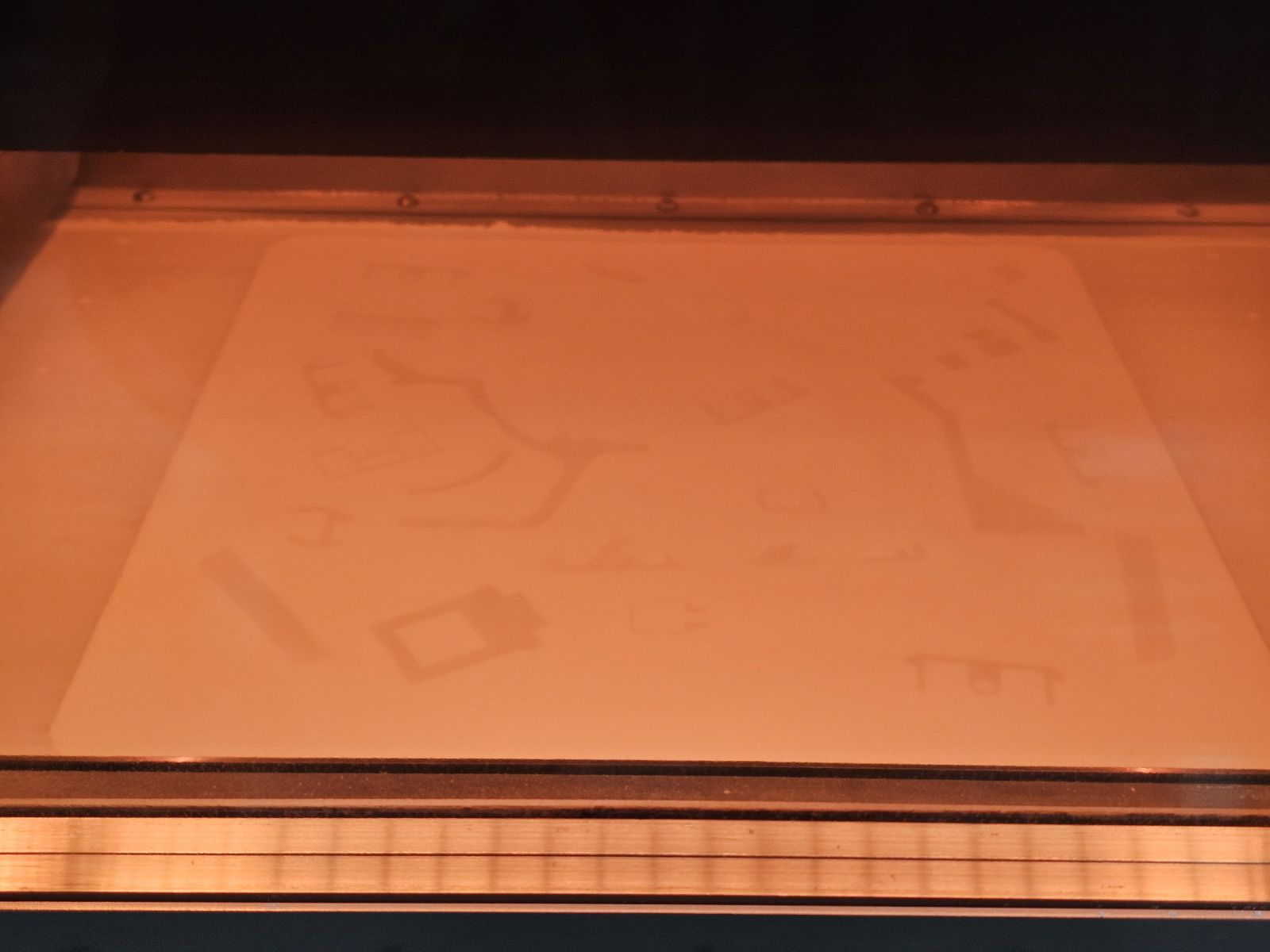
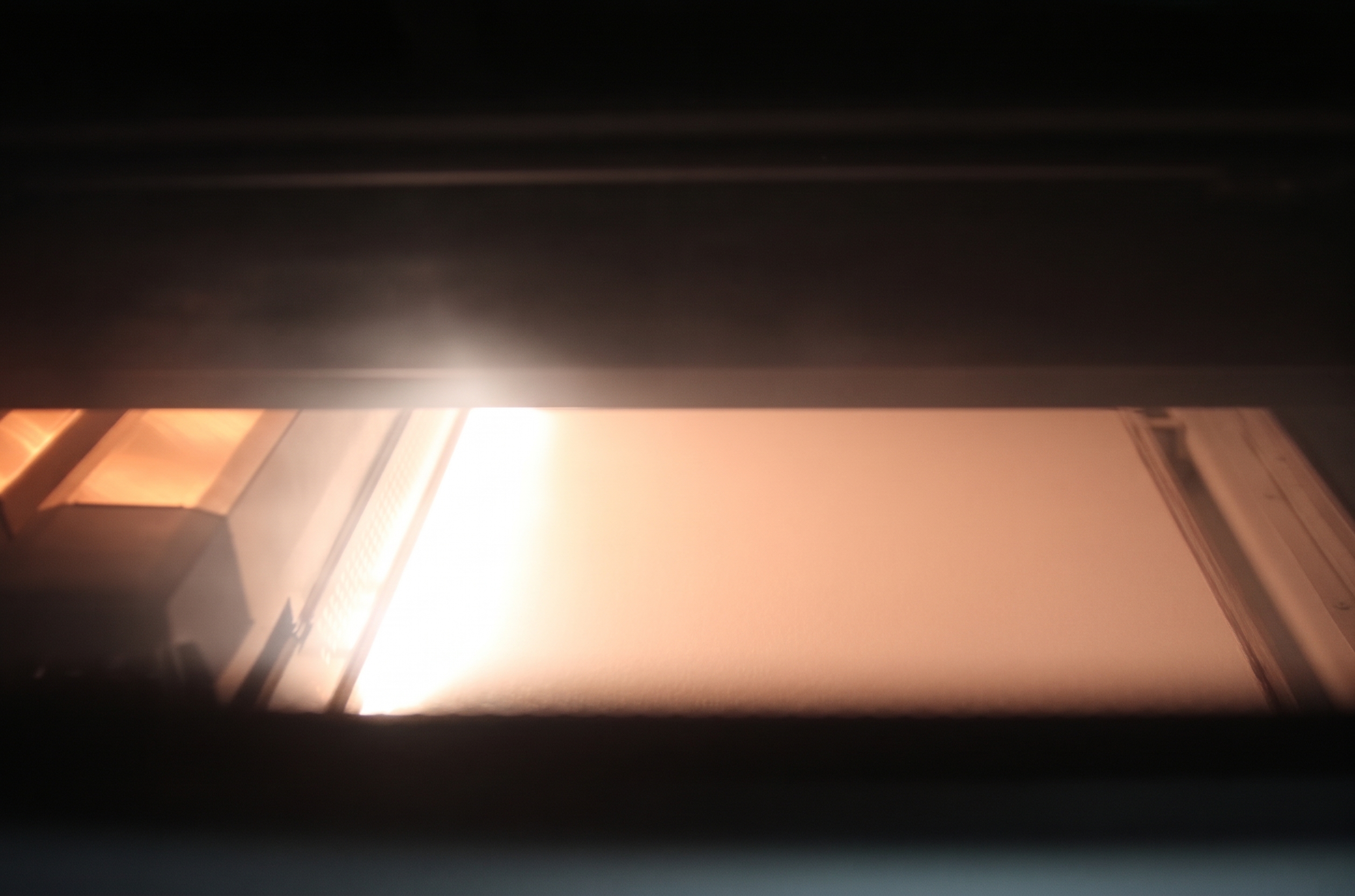
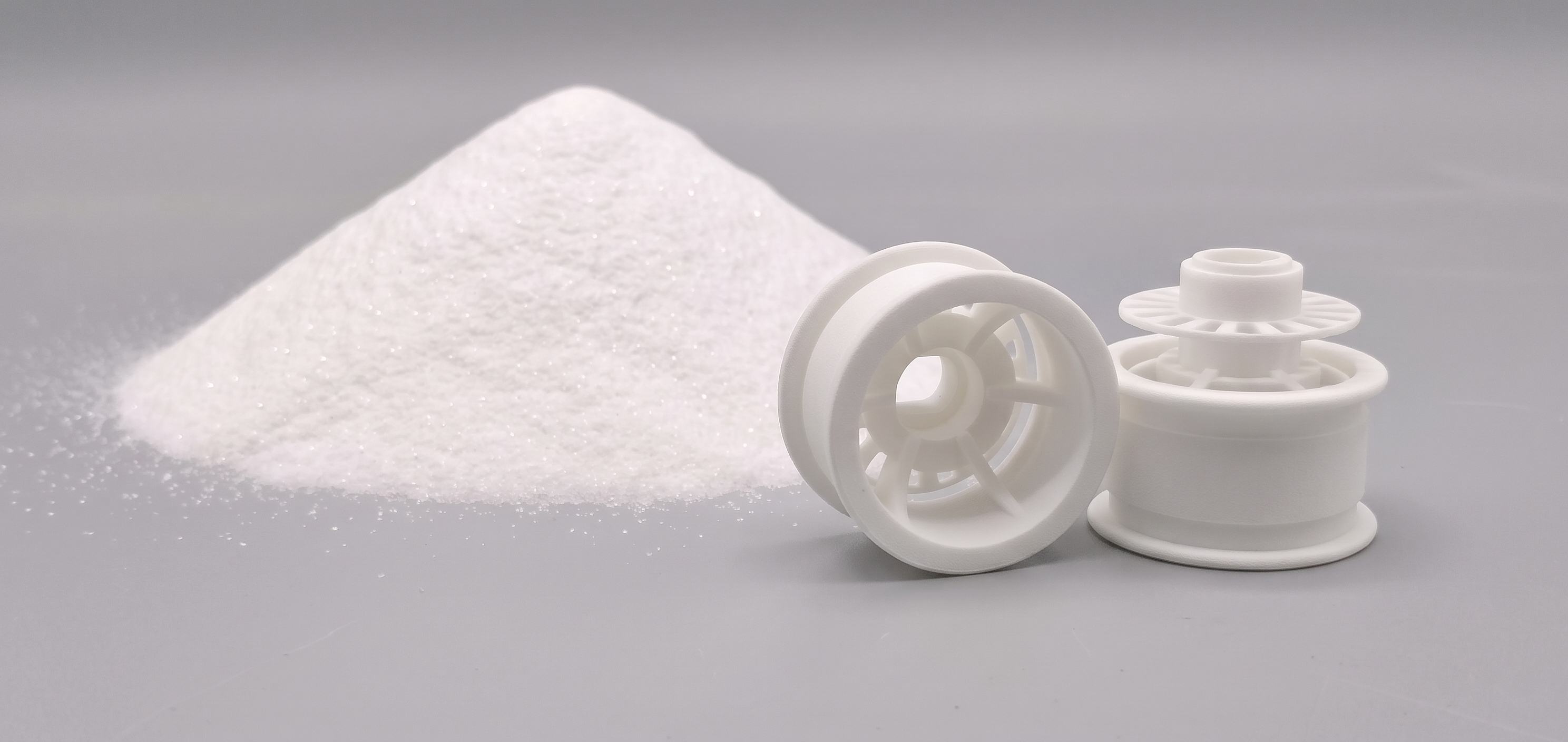
- SLS & MJF (Powder Bed Fusion): Our top recommendation for durable functional parts, complex geometries without support structures, and cost-effective small to medium production runs (in PA12, PA11, PA6, TPU, or Alumide).
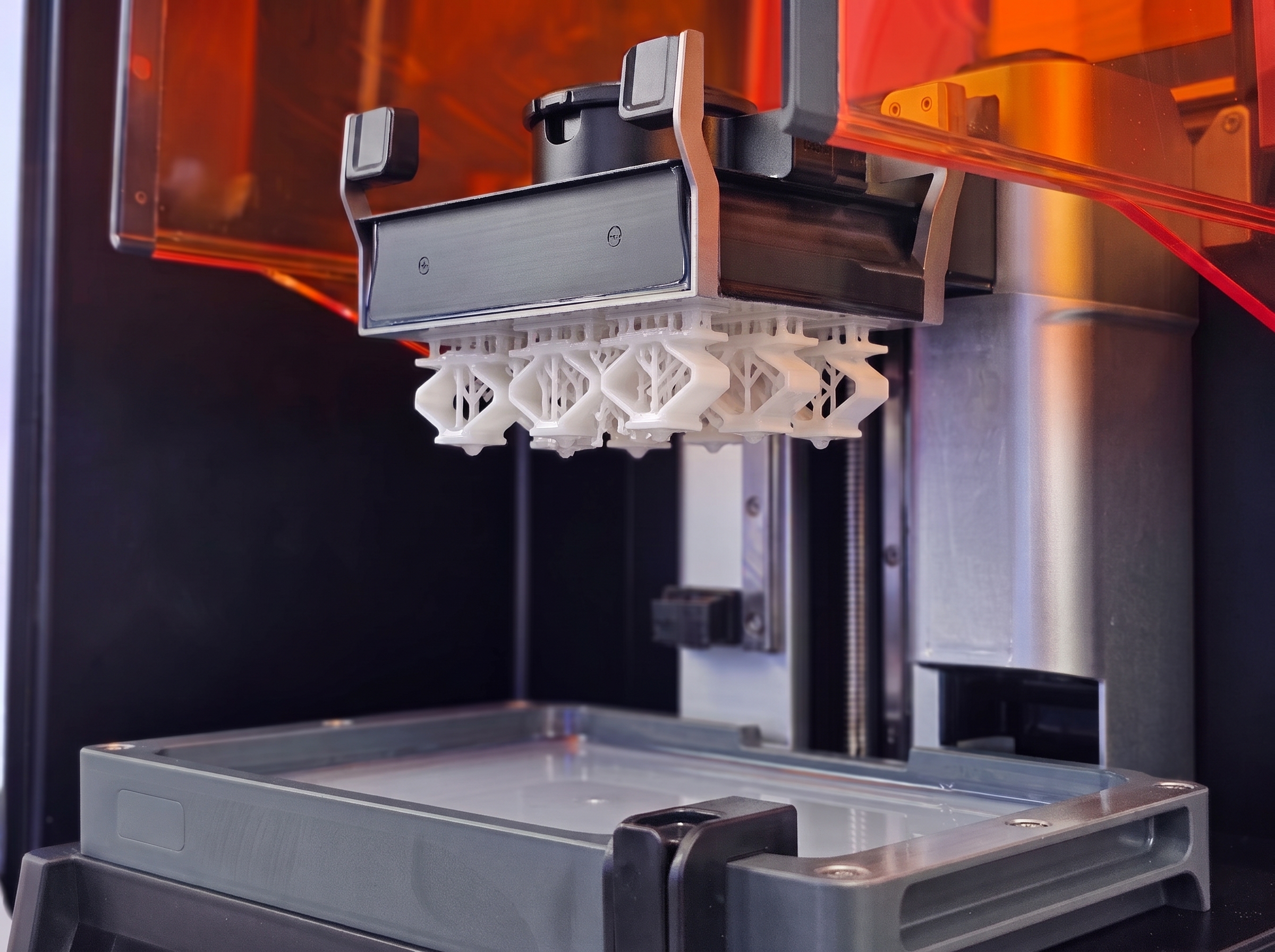
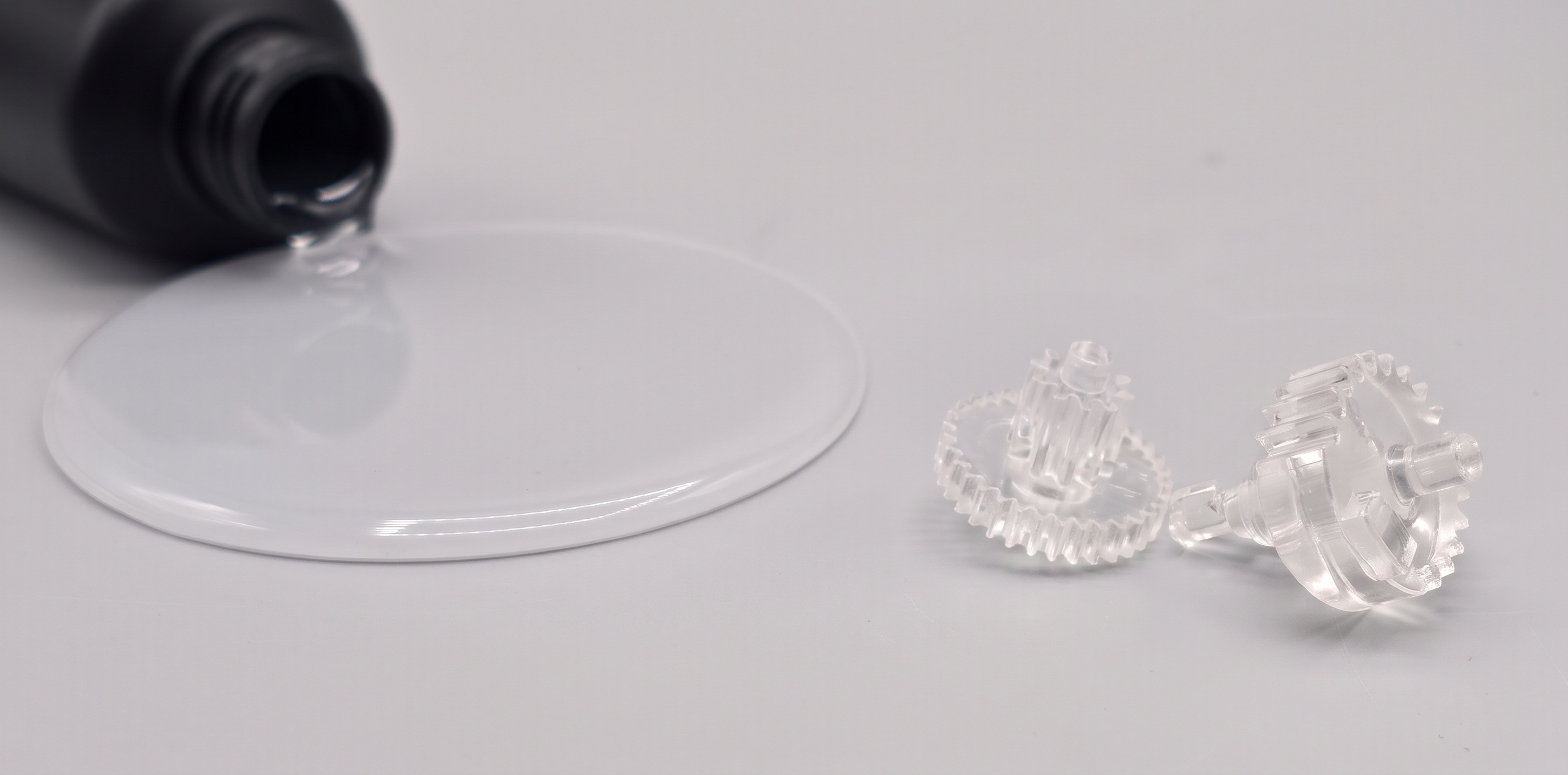
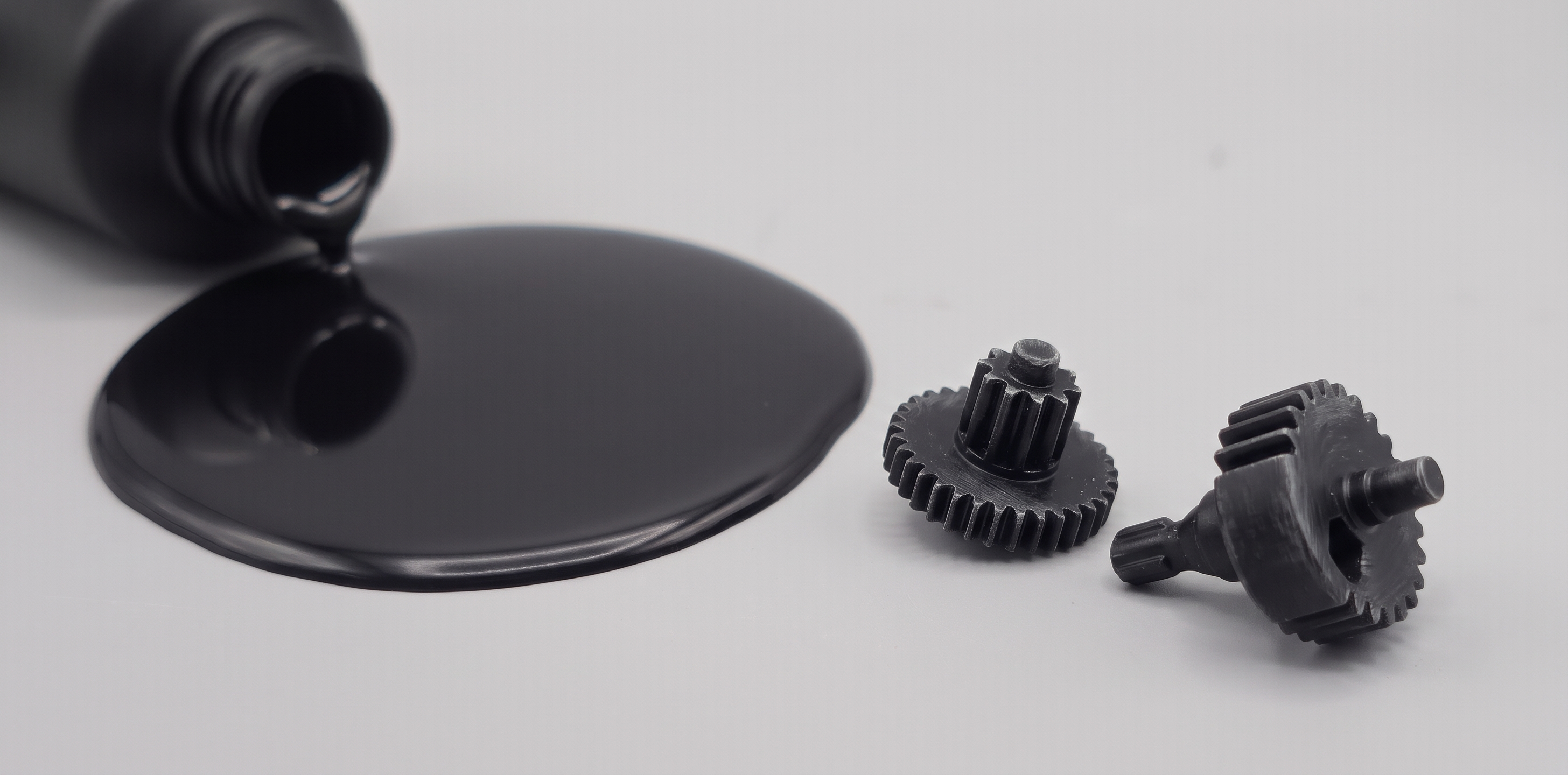
- SLA & DLP (Resin Printing): Ideal when you need injection-mold-smooth surfaces, ultra-fine details (layer thicknesses down to 0.025 mm), or specialty resins such as crystal-clear biocompatible (ISO 10993), extreme high-temperature (up to 268 °C), or UL 94 V-0 flame-retardant materials.
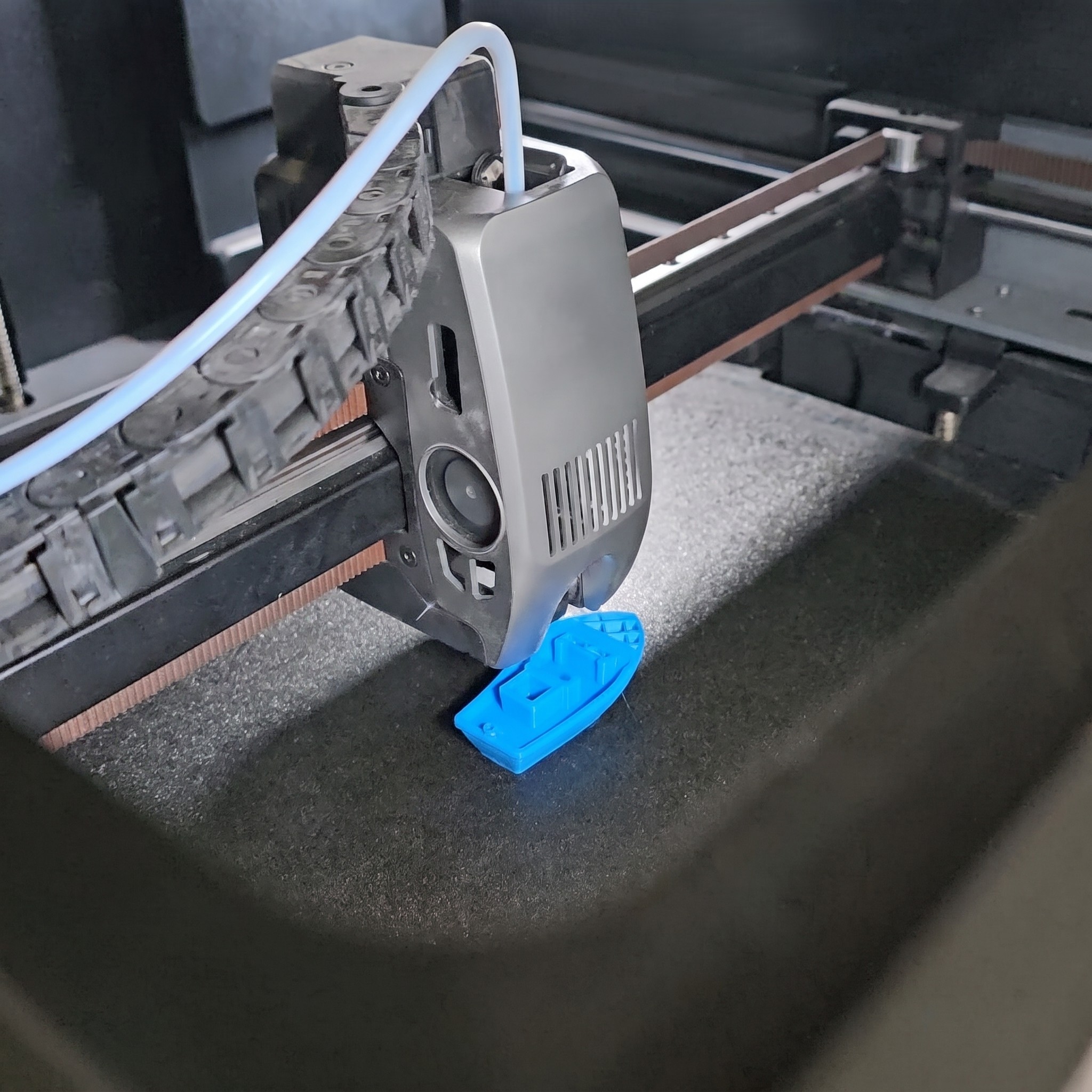
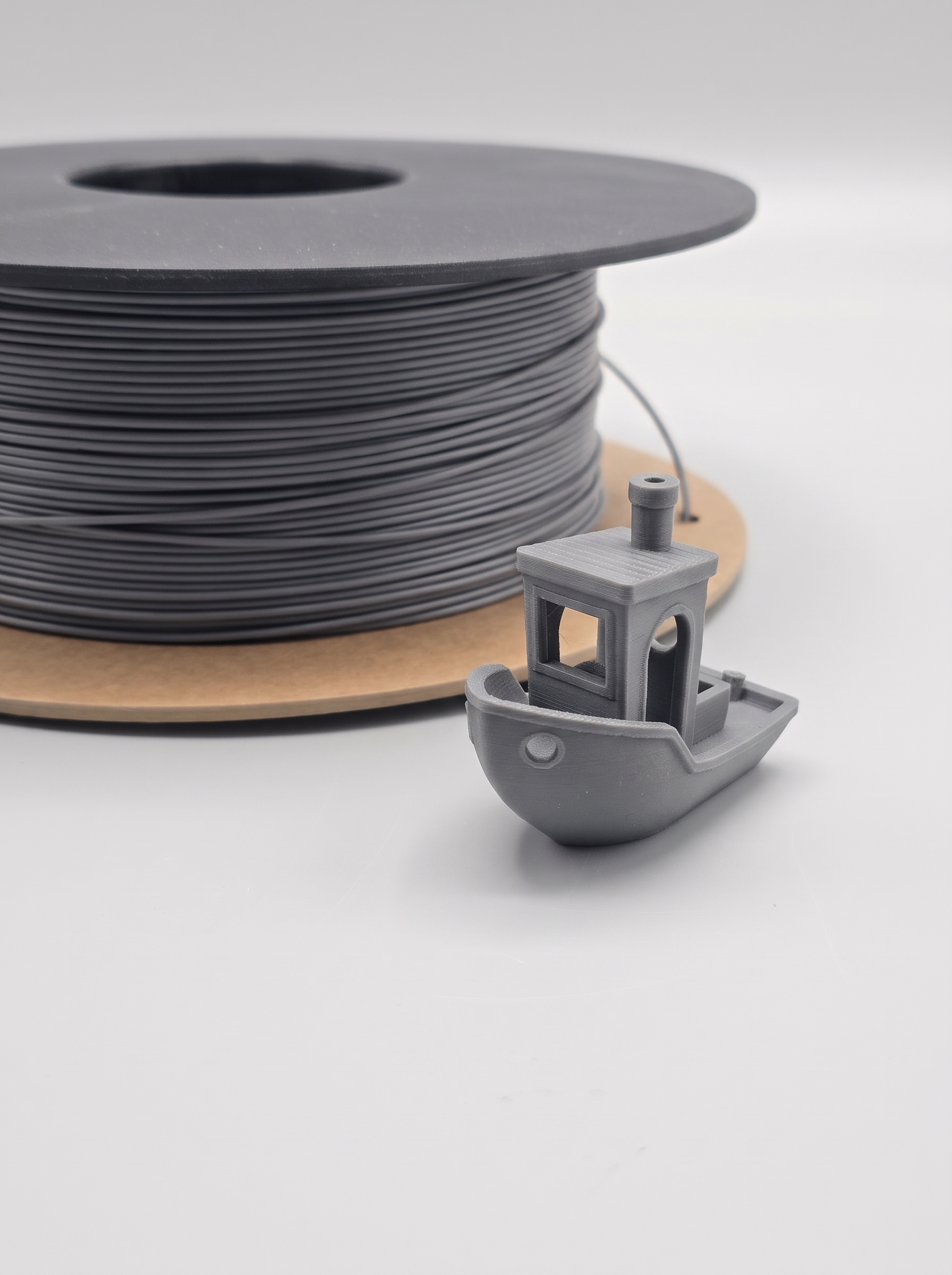
- FDM (Filament Extrusion): Perfect for cost-efficient prototypes, rugged shop-floor jigs and fixtures in ABS or weatherproof ASA, and large-scale parts up to a full cubic meter (1,000 x 1,000 x 1,000 mm) printed in one piece.
In large-format FDM, we manufacture parts up to 1,000 x 1,000 x 1,000 mm (1 m³) in a single piece. In SLS powder bed printing, build volumes up to 340 x 340 x 600 mm are available, in MJF up to 380 x 284 x 380 mm, and in SLA resin printing up to 450 x 450 x 350 mm. If your part exceeds even these dimensions, we intelligently split it in CAD using interlocking joints (e.g., dovetail geometries with a 0.1 mm bonding gap) and bond it into a high-strength assembly.
Sintered polyamides naturally exhibit fine microporosity due to the layer-by-layer sintering process. At wall thicknesses of 3.0 mm or greater, PA12 parts are watertight straight out of the printer. If you need thin-walled reservoirs, piping, or pressurized fluid channels under 3.0 mm wall thickness, we seal the pores post-print via chemical vapor smoothing or resin infiltration to make them 100 % liquid- and pressure-tight.
Yes. For extreme mechanical and thermal loads, we process PA6 GF (glass-fiber-reinforced polyamide 6), which withstands continuous operating temperatures of 140–160 °C (short-term peaks up to 200 °C) and frequently replaces machined aluminum parts thanks to its exceptional flexural strength. In SLA resin printing, our ceramic-filled high-temperature resin achieves a heat deflection temperature of up to 268 °C—ideal for wind tunnel models and injection mold inserts.
Because 3D printing requires zero tooling or mold investment, we manufacture economically from batch size 1 up to several thousand serial parts with no tooling lead time. Once your demand scales into high-volume mass production, we guide you seamlessly into injection molding through our partner network.