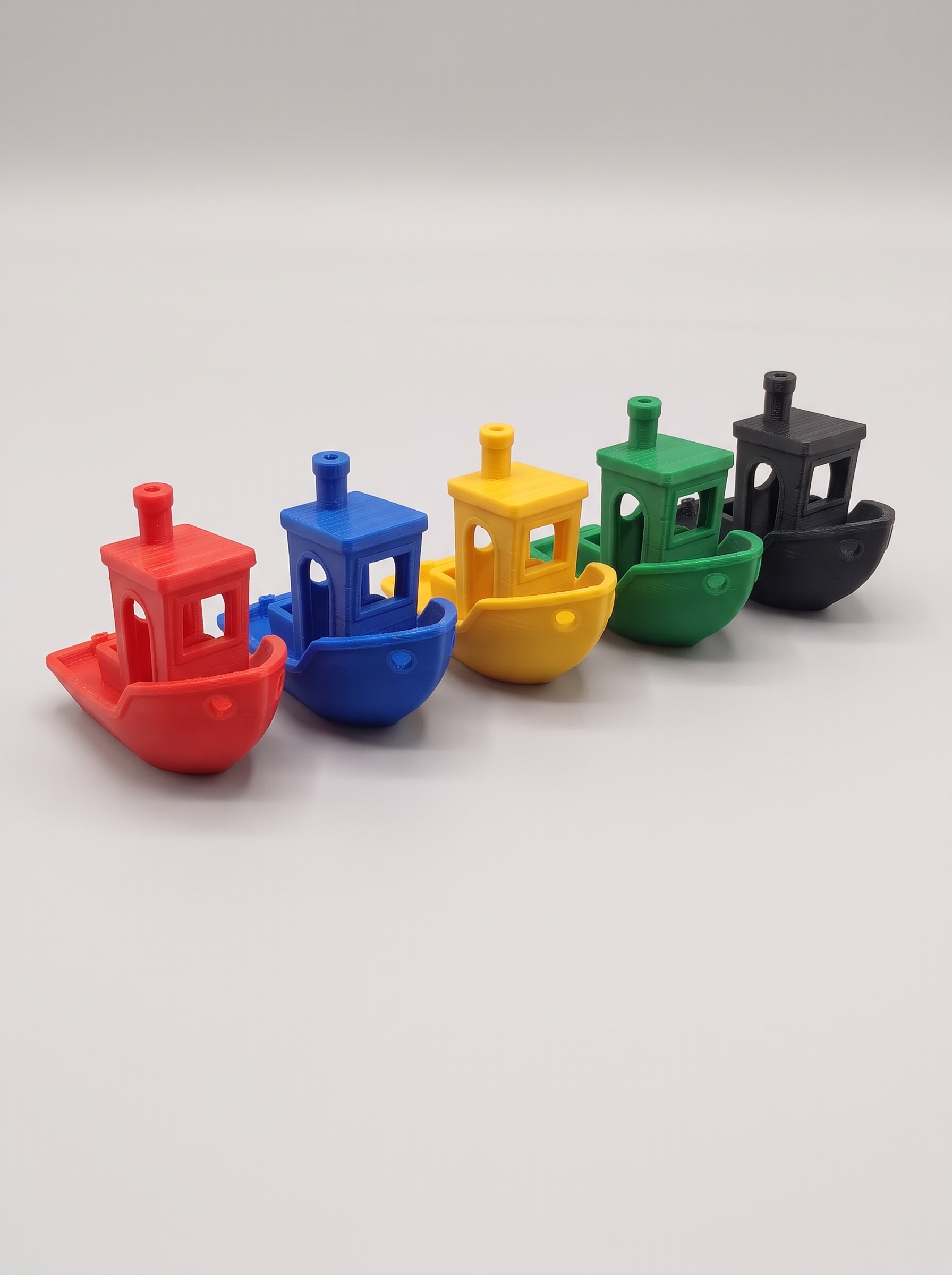
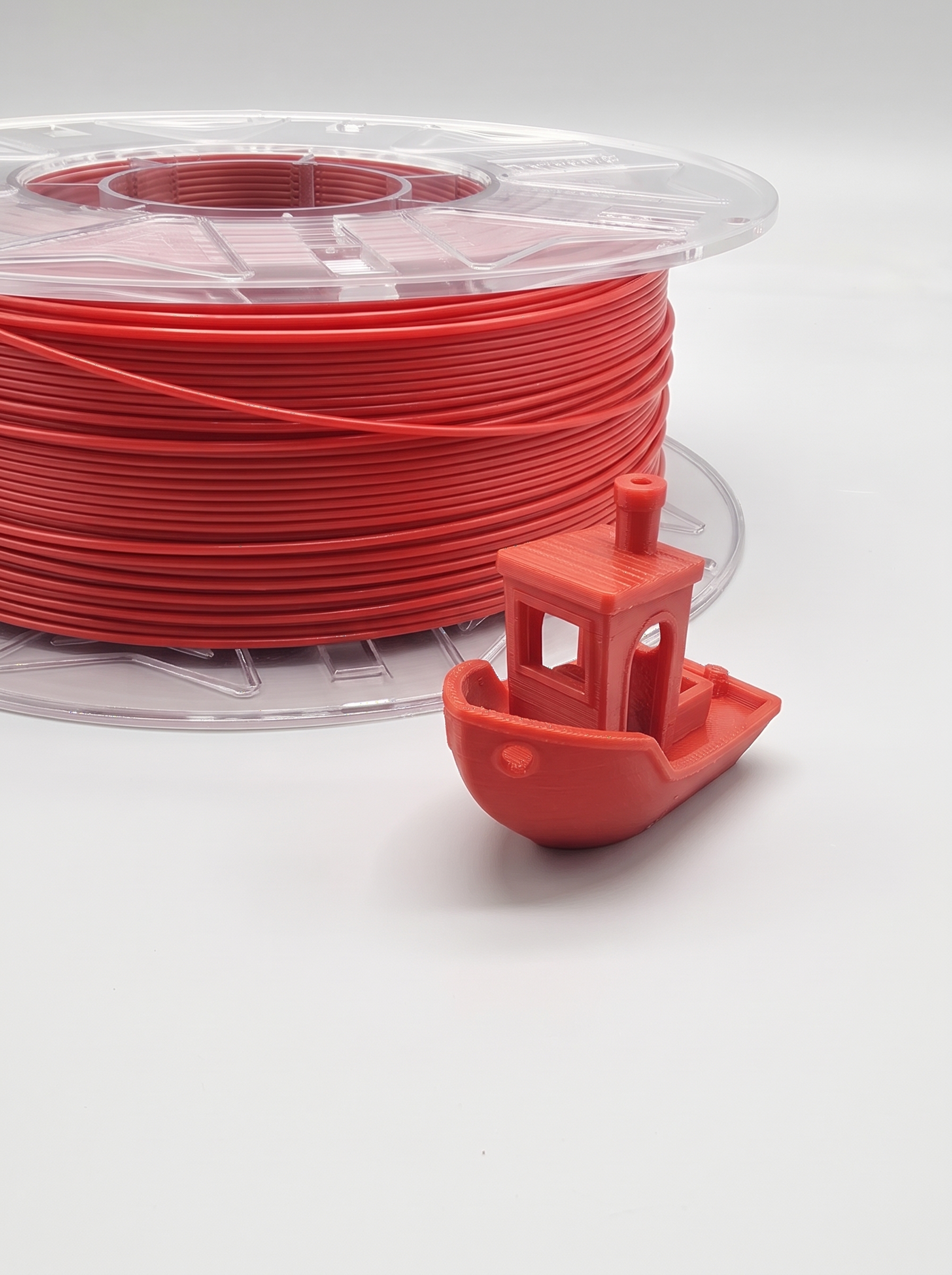
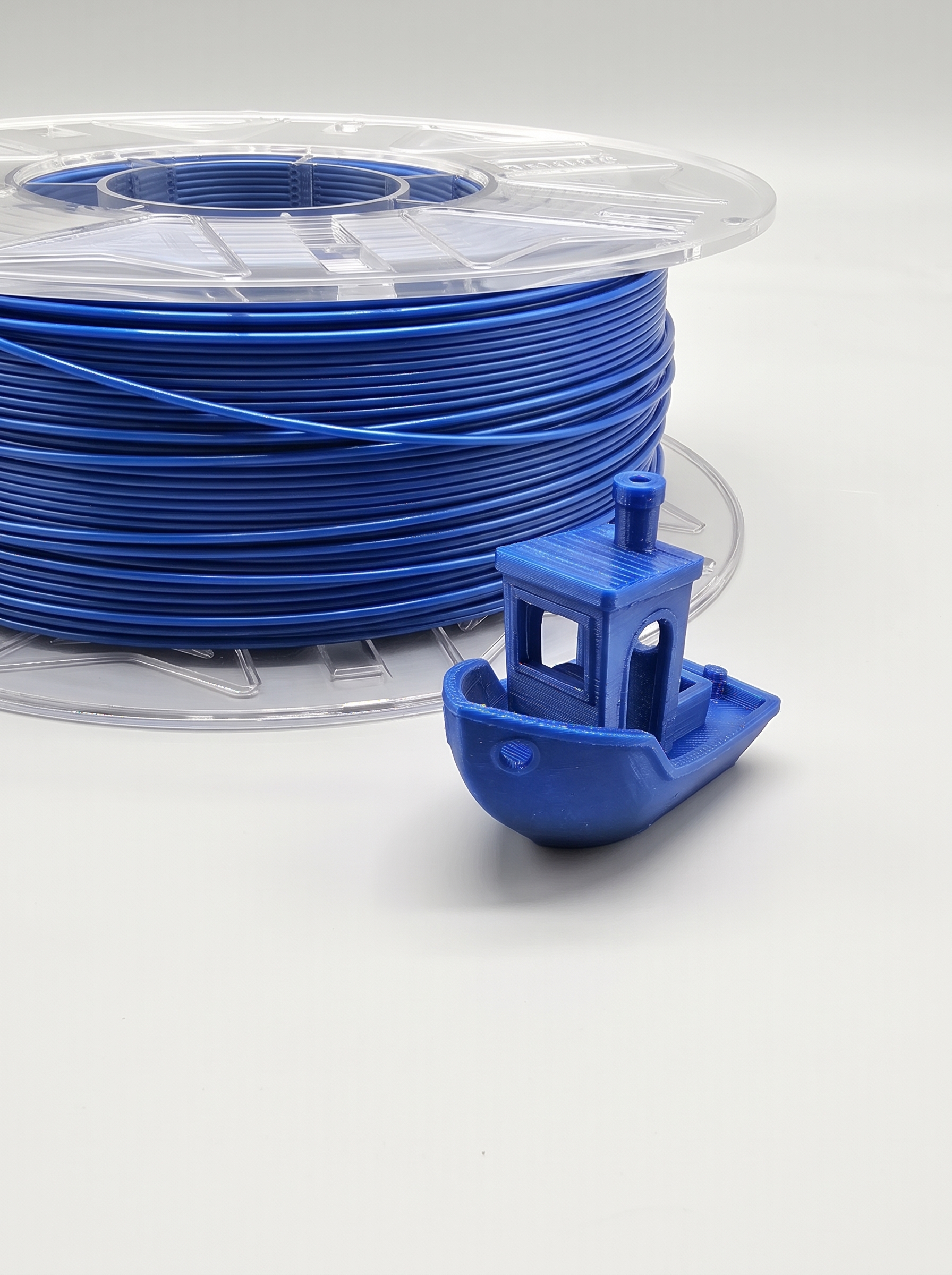
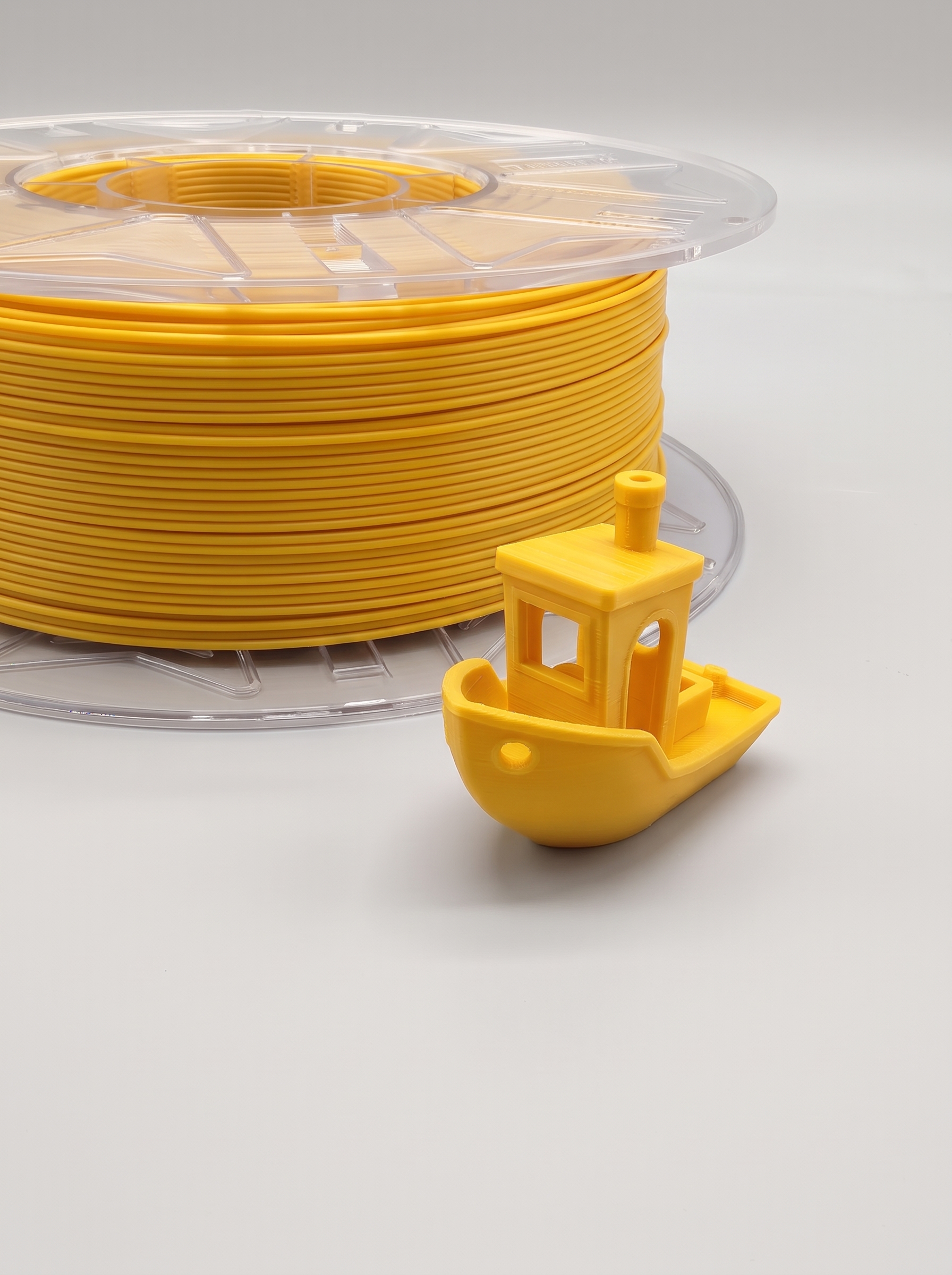
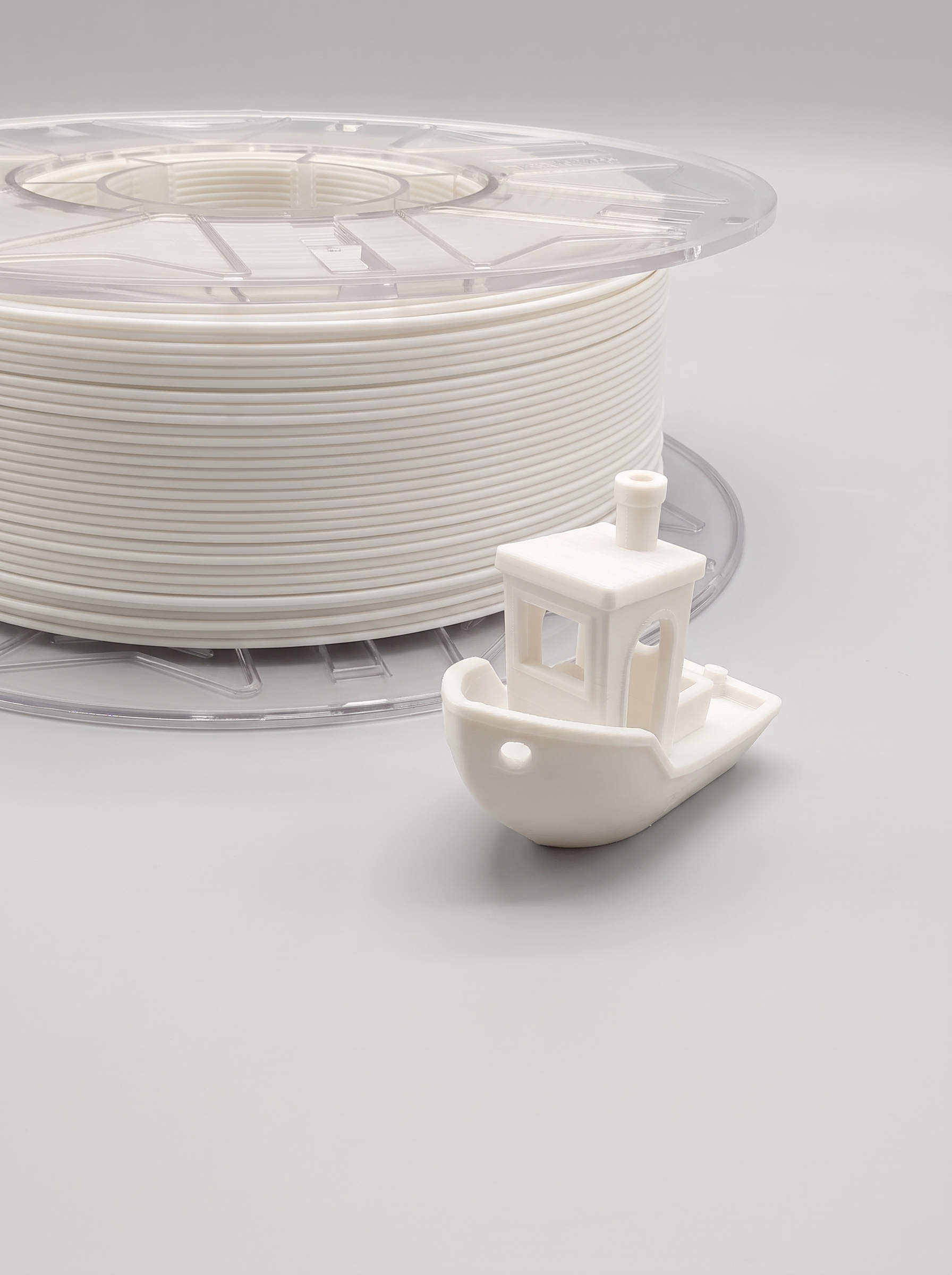
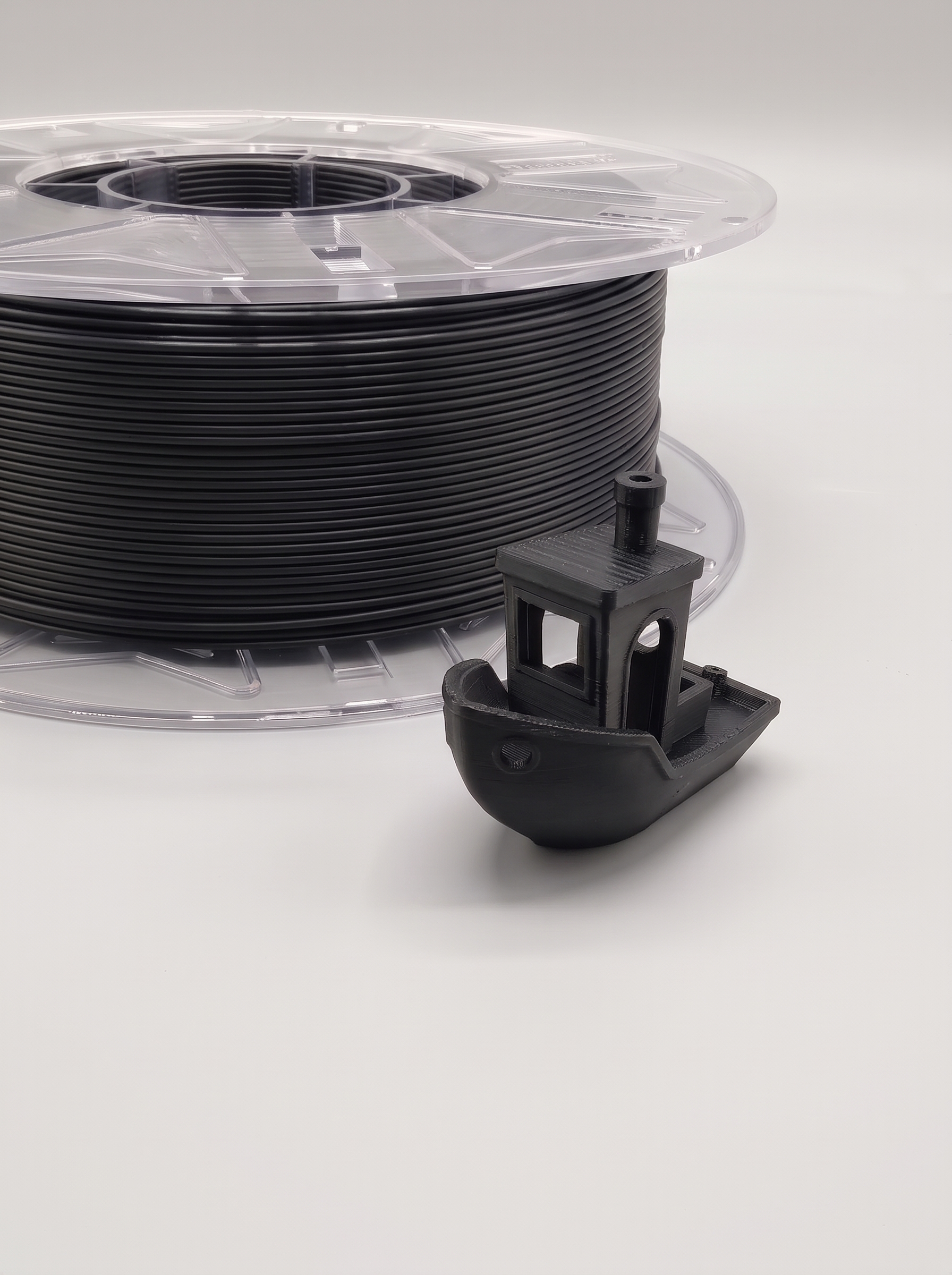
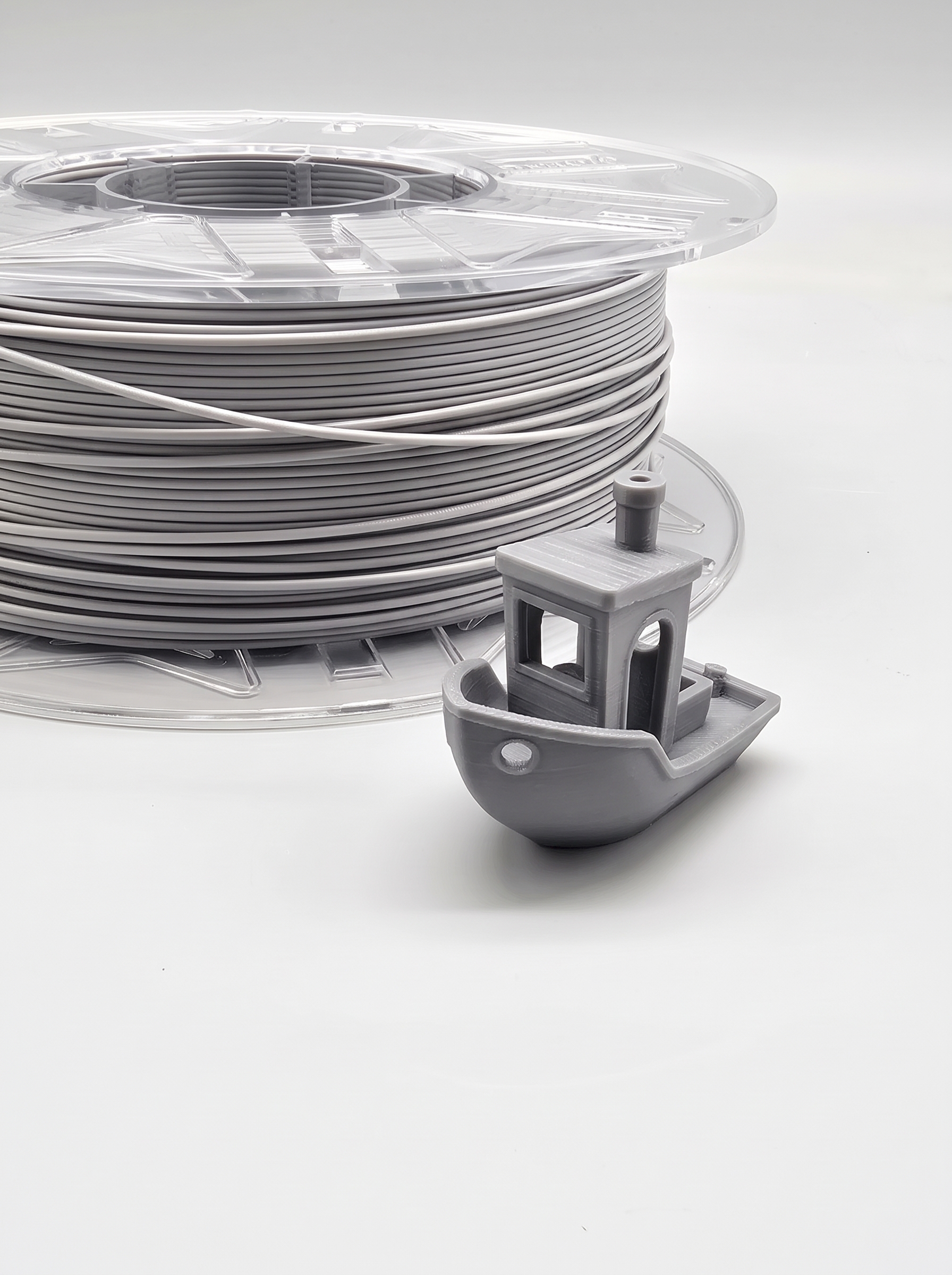
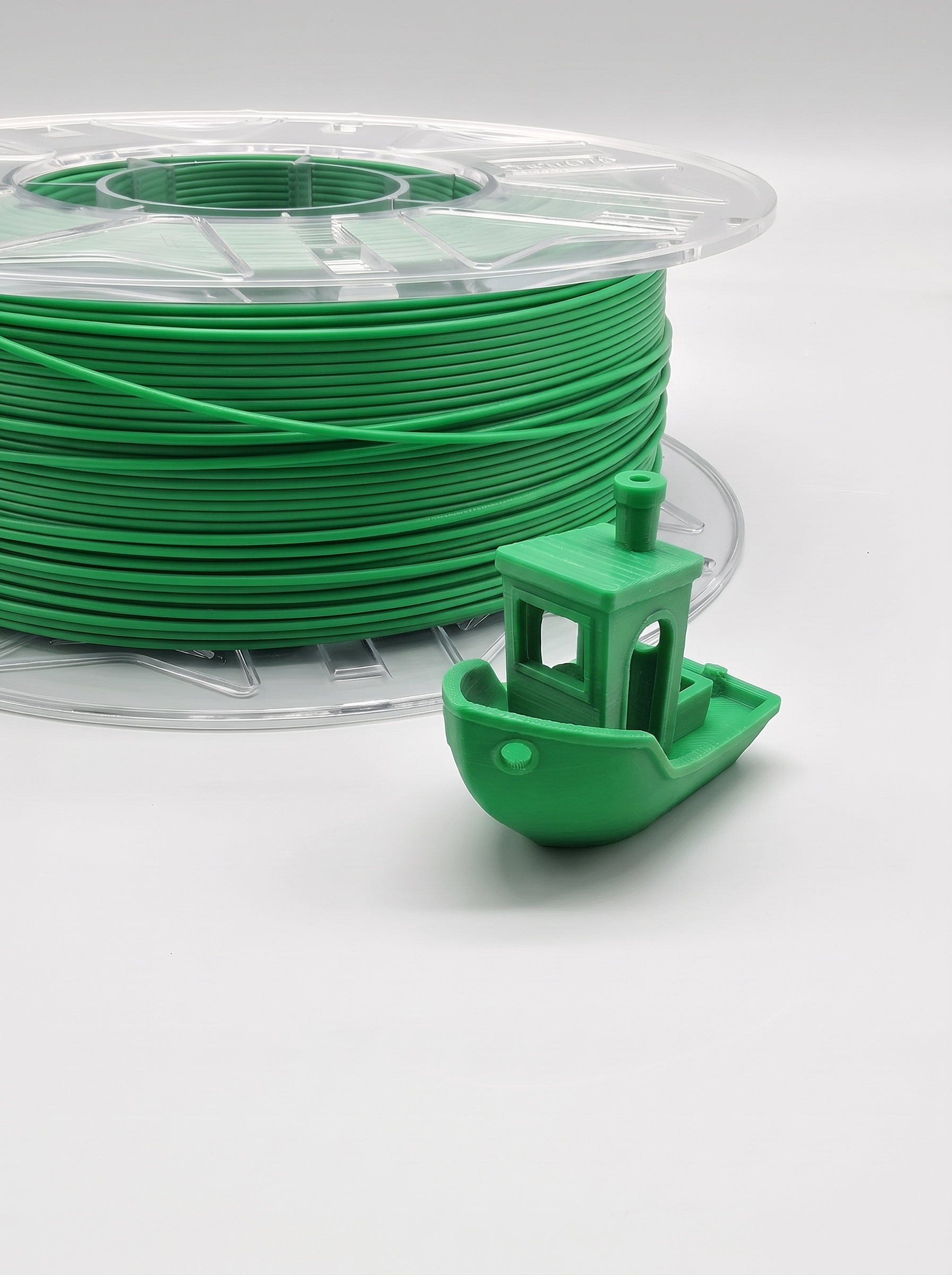
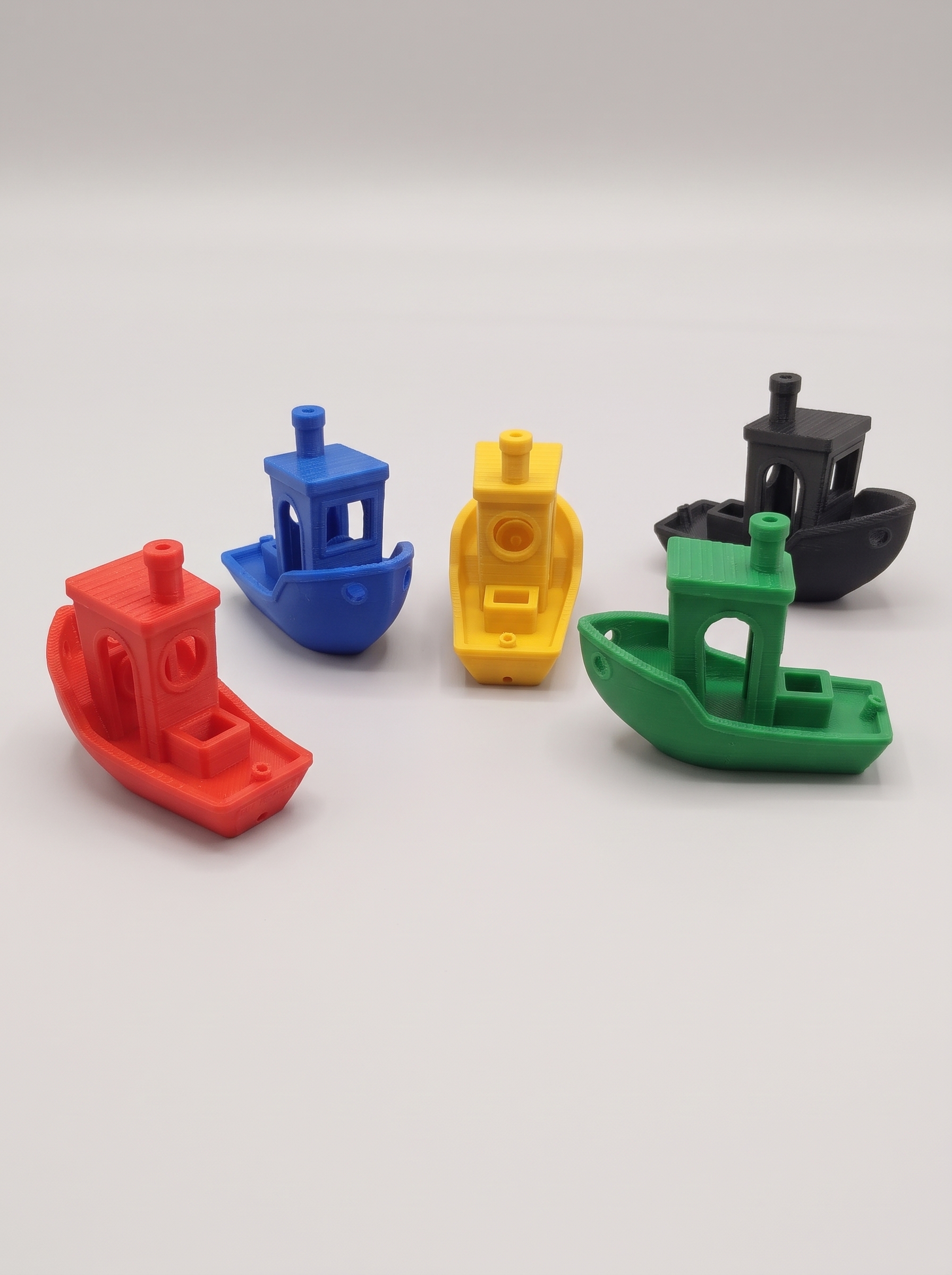
Sometimes a part doesn't need to withstand 150 degrees in the engine compartment, but primarily needs to be one thing: dimensionally accurate, visually clean, and economically viable. That is exactly what PLA is the undisputed number one for in FDM printing. The plastic, which is derived from renewable resources (such as corn starch), can be processed extremely precisely and delivers sharp edges, fine details, and stiff parts at the best price-performance ratio.
Its only limit is temperature: From approx. 50–55 °C, PLA slowly becomes soft (so it doesn't feel at home in a parked car in summer). However, wherever normal room temperatures prevail, it is an astonishingly hard and dimensionally stable material.
Because PLA barely shrinks when cooling, we can use it to print large, angular models without warping. Perfect for fast concept models, architectural models, decorative objects, sales samples, or custom-fit sorting boxes in the office and in production.
01 / ENGINEERINGFrom initial sketches and reverse engineering to manufacturing-optimized CAD files (DfAM), assembly consolidation, and seamless transition to injection molding.
02 / POLYMERIndustrial series components and prototypes using powder bed fusion (SLS & MJF), precision resin printing (SLA & DLP), and robust FDM printing (including large-format up to 800 mm).
03 / METALHigh-stress metal components via SLM using aluminum, stainless steel, or titanium—including heat treatment (stress-relief annealing) and precision machining.
04 / FINISH & SERVICEFrom raw part to ready-to-install series product: in-house painting, dyeing, vibratory finishing, and chemical smoothing, as well as thread inserts and assembly.
Benutzen Sie das Chat-Fenster in der unteren rechten Ecke, um Fragen zu stellen.
Füllen Sie das Formular aus oder senden Sie uns eine E-Mail